You need a Manhattan pest control specialist that understands NYC codes and your building's patterns. Seek out IPM-first service: detailed inspections, exclusion, sanitation, and precise EPA-registered treatments documented with labels, lot numbers, and re-entry times. Professionals should address common pests including rodents, insects, and bed bugs with precision baits, HEPA vacuums, desiccant dusts, and heat/steam where appropriate-scheduled around set-out times and deliveries. Expect low-profile, audit-ready reporting and NYSDEC-licensed technicians. Here's how to choose and prevent issues long-term.
Essential Points
- NYC-compliant IPM professionals: licensed, insured, NYSDEC-verifiable, with comprehensive knowledge of NYC building, fire, housing, and health regulations for residential and commercial properties.
- Inspection-focused plans targeting Manhattan pest infestations: cockroaches, rodents, bed bugs, ants, and drain flies; source identification through chases, risers, shared walls, and basements.
- Safe and modern treatments: strategic bait placement, snap traps in code-compliant stations, dehydrating powder treatments, thermal treatment options; documented EPA labels, detailed safety documentation, safe re-entry periods
- Professional high-rise and hospitality solutions: featuring unmarked vehicles and off-peak scheduling, with thoroughly vetted service teams, protected service equipment, odor-minimized applications, complete audit-ready logging.
- Prevention-focused contracts: focusing on exclusion and sanitization, seasonal monitoring, photographic digital trend analysis, well-defined scope of work, product EPA numbers, and follow-up verification.
The Importance of Local Expertise in NYC Pest Control
Throughout New York City's diverse urban buildings, local expertise get more info isn't just a preference-it's critical for safe, compliant, and effective pest control. You must have a professional who comprehends how neighborhood knowledge intersects with Building codes, DOB access rules, FDNY safety requirements, HPD housing standards, and NYC Health Code Article 151. A neighborhood specialist schedules assessments based on delivery schedules, trash collection times, and compactor operations to lower risks and avoid interference.
You gain access to professionals skilled in IPM, recordkeeping, and treatment protocols that adheres to state labels and city restrictions, including child-occupied facilities and LEED/Local Law 97 requirements. They manage all aspects of notices, entry protocols, and paperwork for multi-unit dwellings and controlled properties. Through regional knowledge, we provide targeted treatments, sealed access areas, and regulation-adherent monitoring that pass inspections and ensure the safety of residents.
Common Manhattan Pests and Professional Solutions
Whether dealing with brown-banded roaches or Norway rats, bed bugs, mice, pavement ants, and drain flies make use of tight chases, steam risers, shared walls, and cluttered basements. Professional exterminators begin with thorough inspection, then eliminate the origin. For rodents, they focus on preventing rodent entry: block small gaps with metal materials, install door sweeps, seal around pipes, and set snap traps in code-compliant stations. For roaches and ants, they eliminate moisture sources, remove debris, and apply targeted baits following regulations. Bed bug treatment starts with comprehensive checks, encasements, and heat-safe prep, plus follow-up checks. Controlling drain flies requires eliminating biofilm and regular drain upkeep. For stinging insects, pros identify species, secure entry points, and follow OSHA and EPA label requirements to protect occupants.
Advanced, Safe Applications for Residential and Commercial Properties
You've observed how pest control specialists spot and handle pests and eliminate feeding and nesting opportunities; now we'll focus on treatments that protect people, pets, and regulatory compliance. You get integrated pest management that initiates through surveillance, hygiene, and barrier methods, then implements targeted treatments. Professional staff select EPA-registered products, use them strategically, and maintain records of lot numbers, treated areas, and schedules to comply with NYC and state regulations.
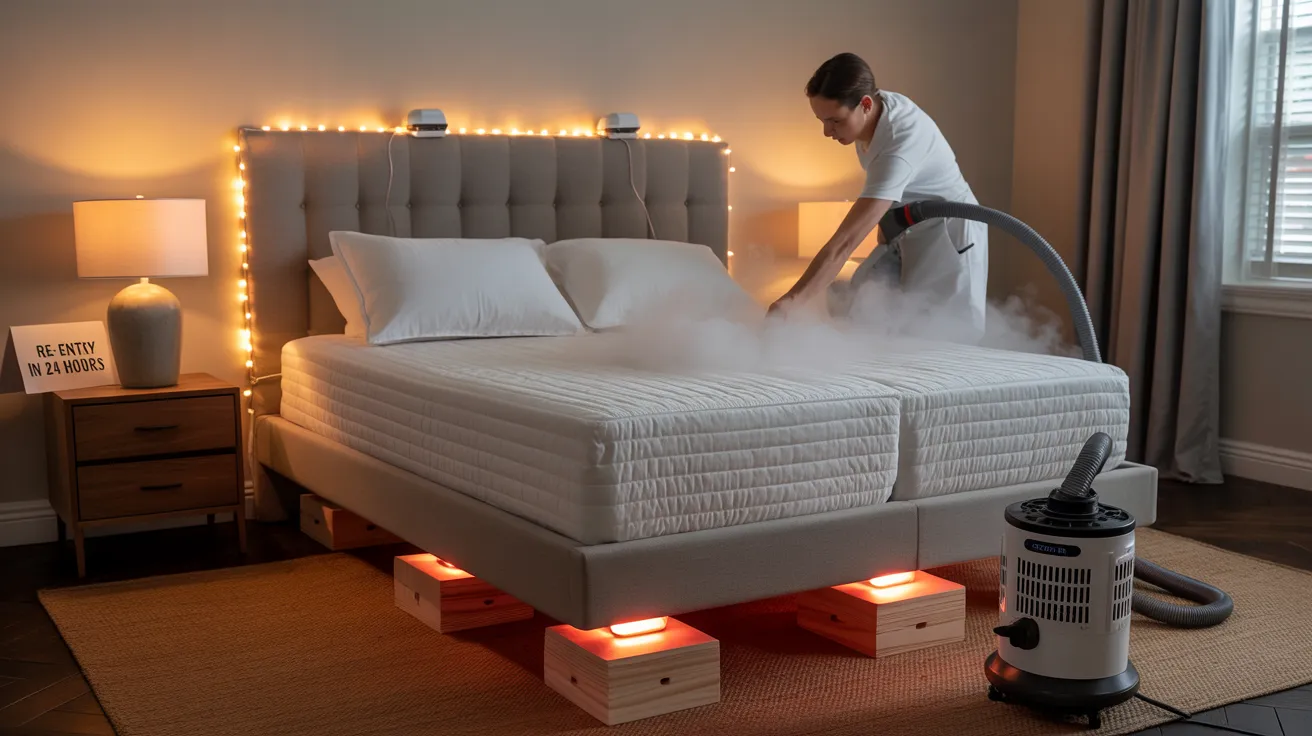
For residential spaces, you'll observe tamper-resistant bait stations, desiccant dusts applied to wall voids, and thermal remediation for bed bugs, minimizing chemical exposure. For commercial properties, we employ precise crack-and-crevice applications, insect development inhibitors, and specialized pheromone traps to reduce downtime. Our child-safe approach include minimal-scent formulations and advanced filtration equipment to ensure occupant safety. We offer detailed product information, including safety sheets, and perform verification checks.
Discreet Service Options for High-Rise and Hospitality Settings
Keep operations low-key without cutting corners. In multi-story properties and lodging facilities, you need solutions that remain inconspicuous. Use anonymous scheduling to book quiet-hours or service area service windows, reducing occupant interaction. Technicians should arrive in unmarked vehicles with unmarked equipment, adhere to NYC Health Code, OSHA, and EPA label guidelines, and follow hotel union and building access procedures. They'll utilize targeted treatments, HEPA-filter equipment, and tamper-proof devices to protect vulnerable spaces.
Require documented IPM strategies along with service logs suitable for audits. Ensure pesticide choices follow location-based risk assessments. Request low-odor formulations and drift-control techniques to eliminate air handling issues. Ensure you get background-checked technicians who use approved pathways avoiding guest areas. This approach helps brand compliance and safety compliance without drawing attention.
Selecting a Reliable Pest Control Service
Although price matters, it's essential to opt for a service provider with verifiable credentials, straightforward operations, and strong compliance. In New York, it's necessary to check current business licensing, insurance coverage, and certified pesticide applicator credentials. Be sure to inquire that services are performed by qualified specialists and request certification details you can verify with NYSDEC. Insist on detailed pricing with detailed service outlines, chemical documentation, and product safety documentation prior to service.
Evaluate their Integrated Pest Management strategy, including assessment protocols, tracking procedures, targeted applications, and exclusion techniques. Demand location-based risk assessments that address children, pets, food areas, and ventilation. Ensure they maintain records of control products, EPA certifications, and justification for application rates. Assess their service speed, quality assurance protocols, and record-keeping practices that incorporate statistical patterns and remedial actions. Finally, validate they properly train staff on compliance requirements and supply comprehensive pre- and post-treatment protocols.
Key Issues to Consider When Choosing Exterminators
When evaluating a reputable service provider, look out for warning signs that indicate risk to your property, health, and wallet. Stay away from unlicensed operators who cannot show proper certification and insurance documentation - hiring such providers could nullify guarantees and increase your liability. Be skeptical of contractors emphasizing only cost, aggressive door-to-door sales, or pricing offered without assessment - such practices typically result in poor service quality and chemical overuse. Stay away from ambiguous "green" promises missing EPA-registered product information and safety documentation. Insist on detailed service descriptions, targeted solution approaches, and explicit re-entry timeframes adhering to safety protocols. Decline cash-exclusive transactions, informal arrangements, or those unwilling to provide references. Lastly, question promises of instant solutions for difficult infestations.
Long-Lasting Prevention Solutions for Permanent Results
Because pest problems rebound without ongoing controls, build a control plan that pairs Integrated Pest Management with New York-approved service intervals and paperwork. Your team will establish thresholds, track activity, and correct situations that draw pests before they proliferate. Schedule seasonal assessments that match pest biology-rodents in fall, roaches all seasons, mosquitoes and flies in hot months. Insist on customized contracts that outline services, product labels, EPA registration numbers, and NYC/NY State reporting requirements.
Focus on non-chemical methods first: moisture control, sanitation, and exclusion. When pesticides are required, demand targeted, low-risk products and written documentation. Ensure technicians maintain current NYSDEC licenses and adhere to notification protocols for multi-unit housing. Monitor trends using electronic logs and photographic evidence. Assess outcomes quarterly and update strategies to guarantee sustainable, code-compliant pest control.
FAQ Section
What's the Expected Arrival Time for Emergency Pest Control in Midtown and FiDi?
Emergency pest control services in Midtown and FiDi typically arrive within 60-90 minutes, featuring expedited service during workday hours and longer waits after hours. Control center staff checks extent of the problem, access information and any pets, children, or sensitive hardware. Service providers adhere to NYC and EPA standards, utilize proper PPE, and prioritize least-toxic methods. You'll receive a detailed assessment, precise treatment protocol, and safety recommendations. Most providers feature local arrival monitoring and picture evidence to guarantee proper service delivery and clarity.
Are Your Services Safe for Exotic Pets Such as Birds and Reptiles?
Yes, definitely-we employ bird and reptile-safe treatment methods customized for vulnerable animals. Your birds and reptiles are as delicate as spun glass, so we carefully adhere to approved product protocols and integrated management approaches to reduce risks. We coordinate with your vet, protect habitat spaces, modify air circulation, and schedule treatments according to your pets' schedule. We maintain safety data sheets, provide re-entry intervals, and focus on physical barriers and surveillance initially. You'll receive a detailed, animal-friendly strategy.
Can Treatments Be Scheduled Around Film Shoots or VIP Events?
It's possible to coordinate pest management to accommodate shooting schedules and VIP functions. Our service includes flexible timing options, unobtrusive service delivery, and seamless collaboration with facility management teams. We strictly adhere to application instructions, NYC and EPA rules, and provide SDS and COIs when needed. Our professionals employ precise, minimal-impact treatments, sound-minimizing tools, and isolation measures to safeguard sets and talent. We can prepare areas in advance, provide after-hours service, and document compliance for permitting and risk management.
Understanding Multi-Unit Billing and Landlord-Tenant Responsibility Management?
You split expenses according to unit designation and common areas, while coordinating Tenant Billing with the pest control provisions in every lease. Compare personal and common duties: residents handle unit-specific readiness, access, and updates; management handles building-wide prevention, protection, and treatments as per Lease Obligations and local housing regulations. You review and approve estimates upfront, get itemized invoices, and collect compliance documentation. For safety compliance, you arrange properly notified visits, validate pesticide labels, and keep records for future inspections.
Can You Supply Documentation for Co-Op Boards and Commercial Compliance Audits?
Indeed. We provide comprehensive documentation specifically for co-op boards and commercial audits. We generate Certification letters outlining service scope, chemical usage, EPA registrations, and service timeline. We also provide Compliance checklists conforming to NYC DOHMH, OSHA, and HUD IPM standards, as well as SDS sheets, licenses, and technician credentials. We log monitoring data, corrective actions, and tenant notifications for traceability. When your board or auditor requests customized documentation or scheduled reports, we'll provide them according to your timeline.
Conclusion
It's clear why local expertise matters, which pests plague Manhattan, and how certified professionals apply EPA-registered, approved treatments that secure families, animals, and premises. Select providers with clear documentation, insurance, and NYC/NY state compliance-and avoid the unprofessional services. In tall buildings or accommodations, unobtrusive, IPM-based plans stop rebounds. Imagine your building as a secure stronghold: entry points sealed, detection systems working, reports spotless. Partner with a reliable company, maintain safety standards, and maintain a pest-free environment.